
World
UK Campaigner Imran Ahmed Critiques US Visa Sanctions

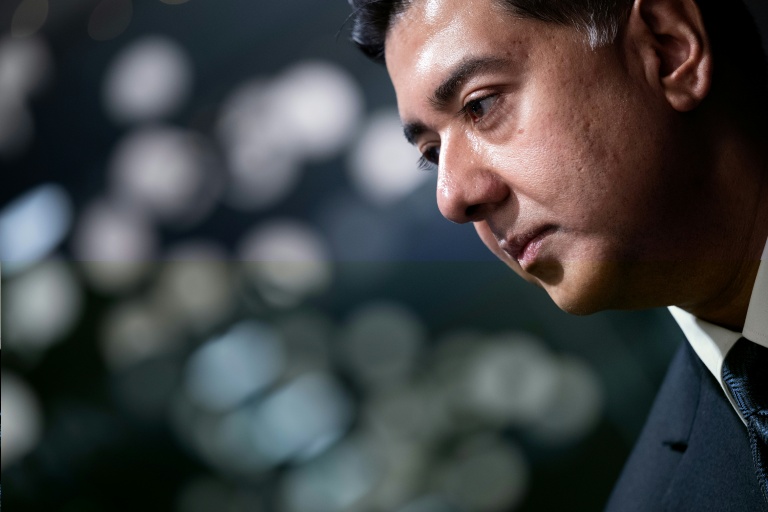
British tech campaigner Imran Ahmed has publicly condemned the recent decision by the United States government to impose visa sanctions against him and four other European figures. This action, announced on March 15, 2024, has been described by Ahmed as a form of “punishment” for his organization’s efforts in combating disinformation and holding major online platforms accountable.
The Center for Countering Digital Hate (CCDH), which Ahmed leads, is a nonprofit watchdog that investigates the detrimental effects of online misinformation. The US State Department has accused the CCDH of attempting to “coerce” tech companies into censoring the viewpoints of American citizens, a claim that Ahmed and his colleagues vehemently reject.
In response to the sanctions, the European Union and several member states have issued strong condemnations, highlighting concerns about the implications for free speech. The announcement came shortly after the International Fact-Checking Network expressed alarm over reports that the State Department had directed staff to deny visas to individuals involved in fact-checking and content moderation.
In an interview with AFP, Ahmed articulated his views on the situation. He stated, “This appears to be a punishment for my advocacy and for the research that CCDH does, looking into social media platforms, looking into AI platforms, identifying harms, informing the public, and then urging lawmakers and regulators, both in the US and globally, to take action.”
He further emphasized the importance of free expression, noting that “governments are the only entity that can censor people with the threat of overwhelming force.” Ahmed highlighted that a nonprofit organization advocating for truth and transparency should not be equated with censorship, stating, “That’s what the First Amendment is there to protect — our ability to speak, without fear or favor.”
Ahmed has taken legal action to challenge the visa ban, filing for a restraining order to prevent any government actions against him, including potential detention. He expressed concerns about the previous administration’s track record, stating, “When the Trump administration has sought to cancel green cards for legal permanent residents, it has arrested them through ICE (US Immigration and Customs Enforcement).”
He clarified that his permanent residency is based on his marriage to a US citizen and his status as a father to American children. “They have to abide by both the law and the constitution in how they treat me as a legal permanent resident, and that’s precisely why we’ve gone to court,” Ahmed said.
The issue of disinformation research has become increasingly contentious, with Ahmed asserting that the vital research conducted by his organization often ruffles the feathers of powerful individuals. He remarked, “We know that this puts the noses out of joint for some very powerful people.”
Prominent figures in the tech industry, such as Elon Musk, have shown support for the US sanctions, with Musk commenting, “This is so great.” In response, Ahmed expressed disappointment, stating, “I think it takes a sick mind to celebrate a father being taken away from their children, or to call it great.”
Ahmed believes that the work done by the CCDH is crucial in addressing the rise of hate speech online, particularly following Musk’s acquisition of the social media platform X. He emphasized that advertisers must be aware of the content with which their advertisements are associated, underlining the importance of maintaining a free and transparent online environment.
“My two jobs are to ensure that the watchdog brief of CCDH continues and to make sure that we do not accept governments behaving in this sort of way,” he said. “This is tyrannical behavior, and we need to ensure that we’re standing up against it.”
The sanctions and Ahmed’s legal battle highlight the ongoing tensions between government actions and the advocacy for free speech in the digital age. The implications of these developments are likely to resonate across the international community, as they raise critical questions about the balance between security and freedom of expression.












Morris Churches Unite for Annual Good Friday Walk With the Cross

Chloe Zhao’s ‘Buffy’ Reboot Cancelled: Sarah Michelle Gellar Speaks Out

Essential Ingredients for Life Found in Ryugu Asteroid Samples

Urgent Rescue: NSR Airlifts Injured Climber from Nanaimo

Riverside Heart Ball Achieves Record $815,000 for Mental Health

Cognizant Launches AI Factory to Enhance Enterprise AI Scalability

Samsung’s Galaxy Watch 9 to Feature Larger Battery Than Before

Toronto’s AIDS Memorial Faces Potential Redesign Amid Community Concerns

Bayern Munich Loses Luis Díaz Red Card Appeal Despite Referee’s Admission

Secwepemc First Nation Seeks Aboriginal Title Over Kamloops Area

Fatal Crash on Highway 11 Claims Three Lives, Major Closure Ongoing

Manitoba’s Burger Champion Shines Again Amid Dining Innovations

Canadian Curler E.J. Harnden Announces Retirement from Competition

Urgent Fire Erupts at Salvation Army on Christmas Evening

Scientists Unearth Ancient Antarctic Ice to Unlock Climate Secrets

Minister Faces Scrutiny Over Delayed Foreign Interference Watchdog Appointment

Trump and McCormick to Announce $70 Billion Energy Investments

Monika Hibbs Unveils Acres Market & Interiors in Major Rebrand
-
 Politics5 months ago
Secwepemc First Nation Seeks Aboriginal Title Over Kamloops Area
-
 Top Stories4 months ago
Fatal Crash on Highway 11 Claims Three Lives, Major Closure Ongoing
-
 Lifestyle7 months ago
Manitoba’s Burger Champion Shines Again Amid Dining Innovations
-
 Sports3 months ago
Canadian Curler E.J. Harnden Announces Retirement from Competition
-
 Top Stories4 months ago
Urgent Fire Erupts at Salvation Army on Christmas Evening
-
 World9 months ago
Scientists Unearth Ancient Antarctic Ice to Unlock Climate Secrets
-
 World5 months ago
Minister Faces Scrutiny Over Delayed Foreign Interference Watchdog Appointment
-
 Entertainment9 months ago
Trump and McCormick to Announce $70 Billion Energy Investments
-
 Lifestyle9 months ago
Monika Hibbs Unveils Acres Market & Interiors in Major Rebrand
-

 Science9 months ago
Four Astronauts Return to Earth After International Space Station Mission
-

 Lifestyle9 months ago
TransLink Launches Food Truck Program to Boost Revenue in Vancouver
-

 World1 month ago
Ranchman’s Cookhouse & Dancehall to Relocate by Early 2027